
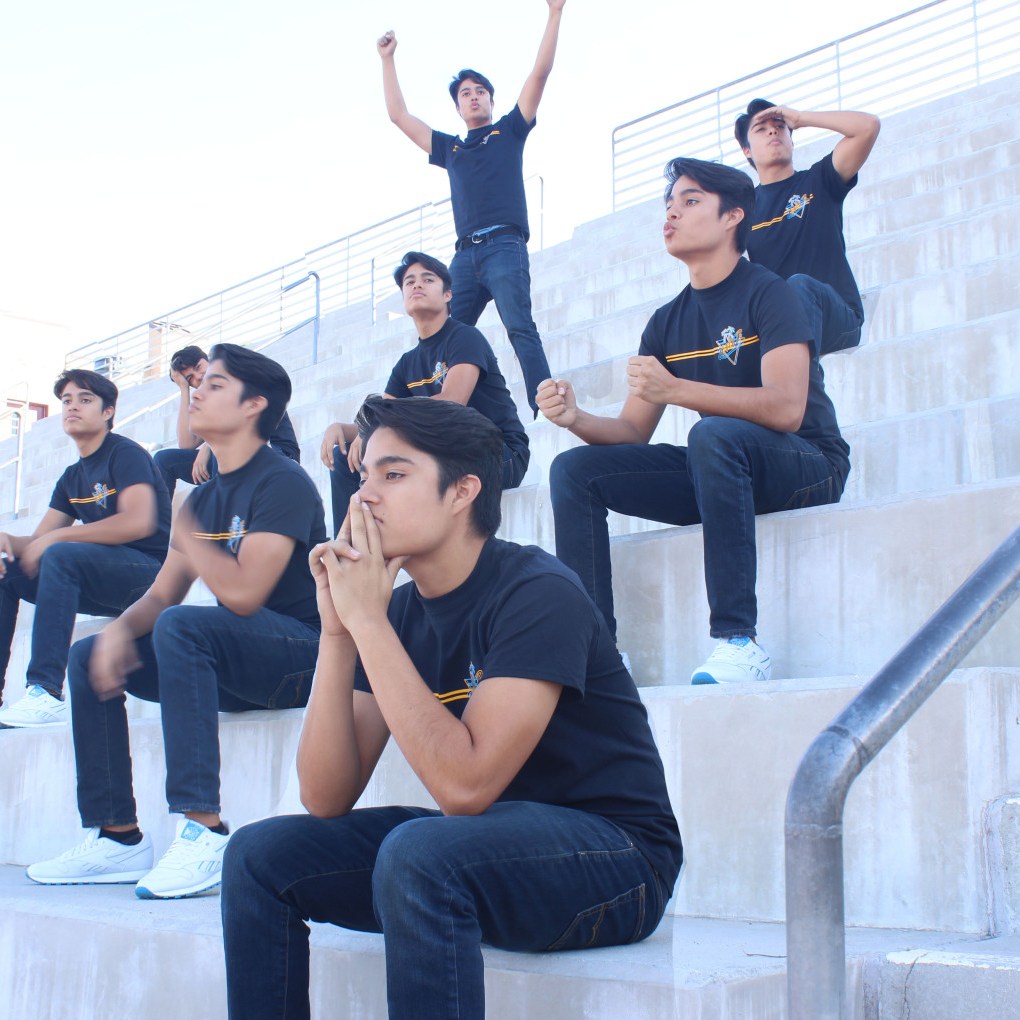
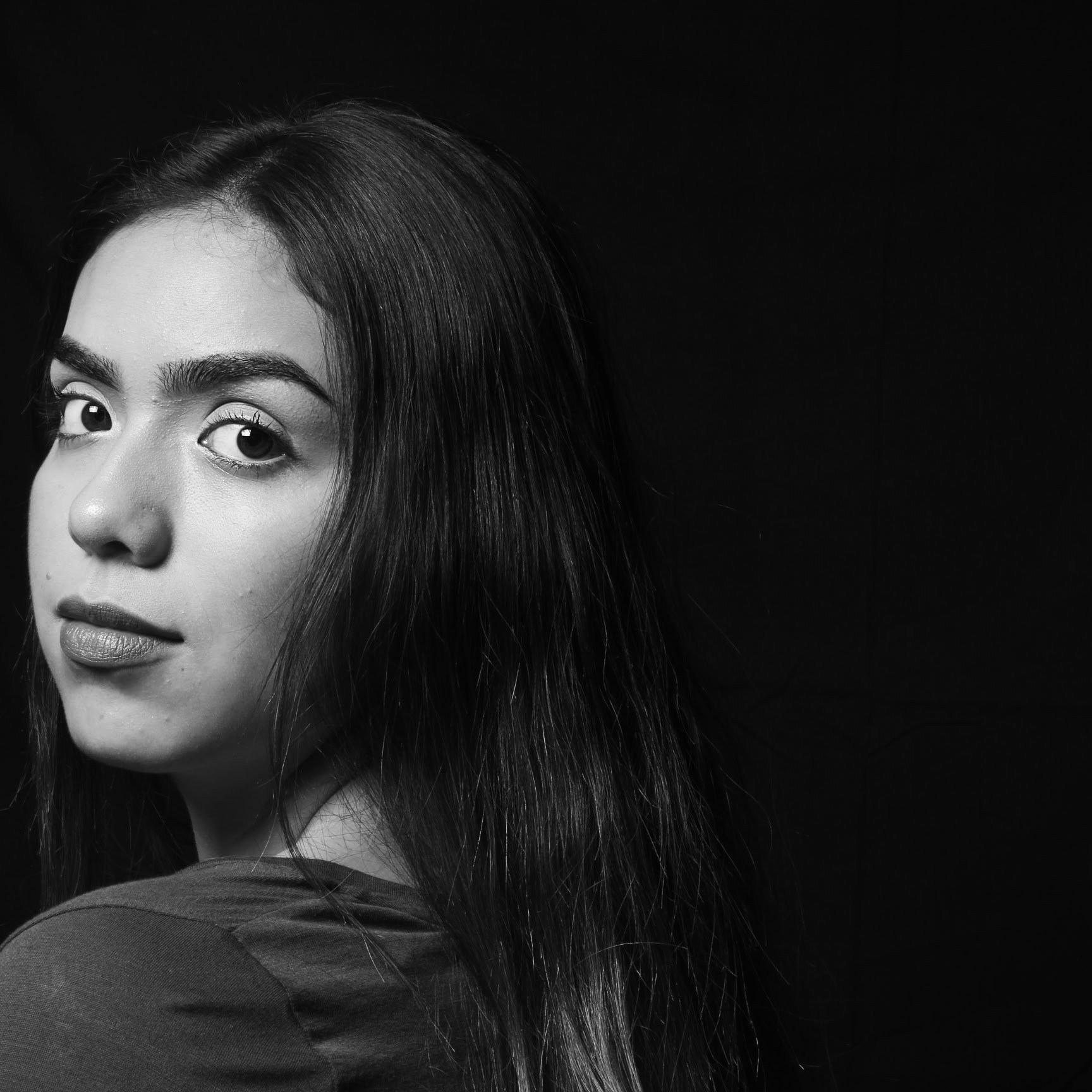


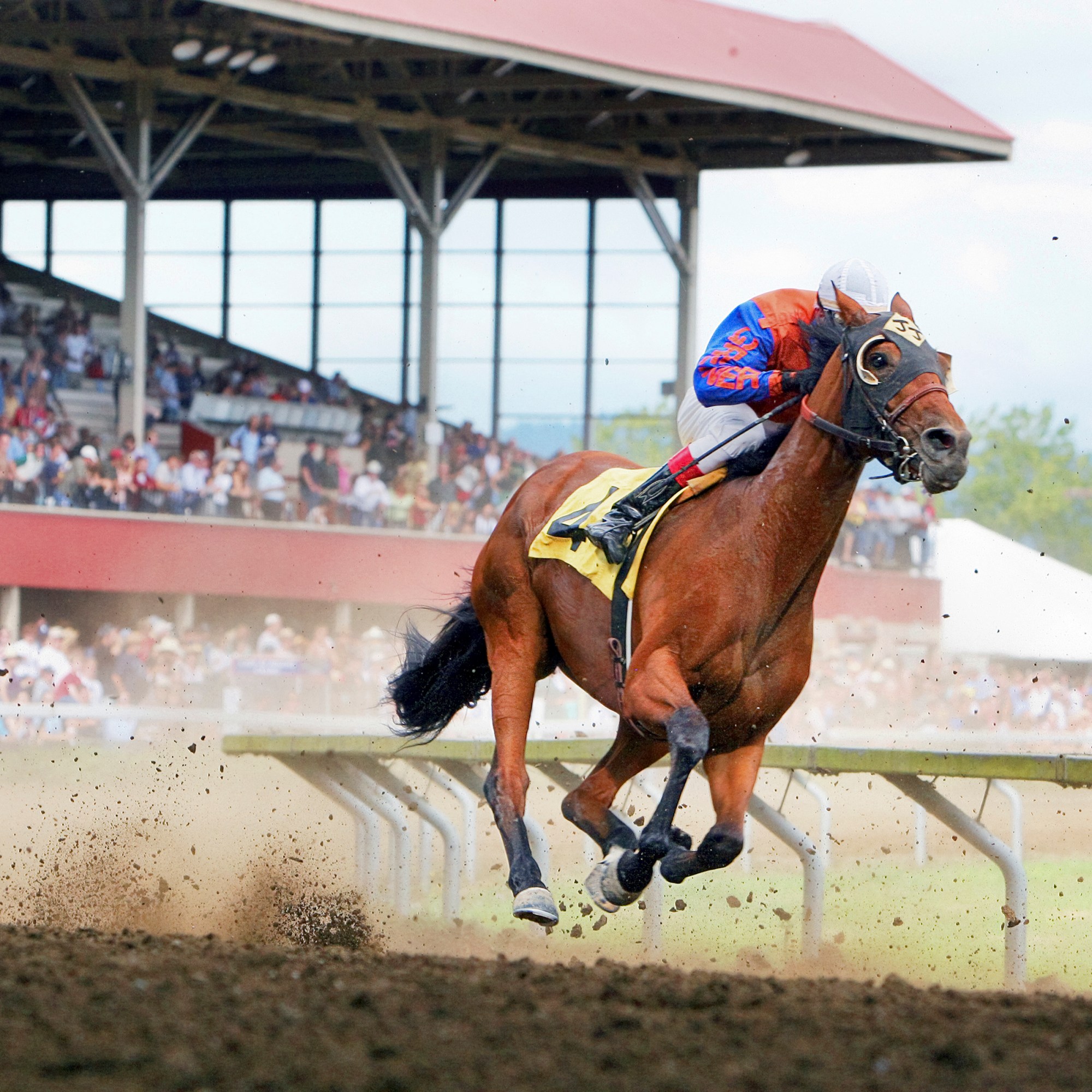
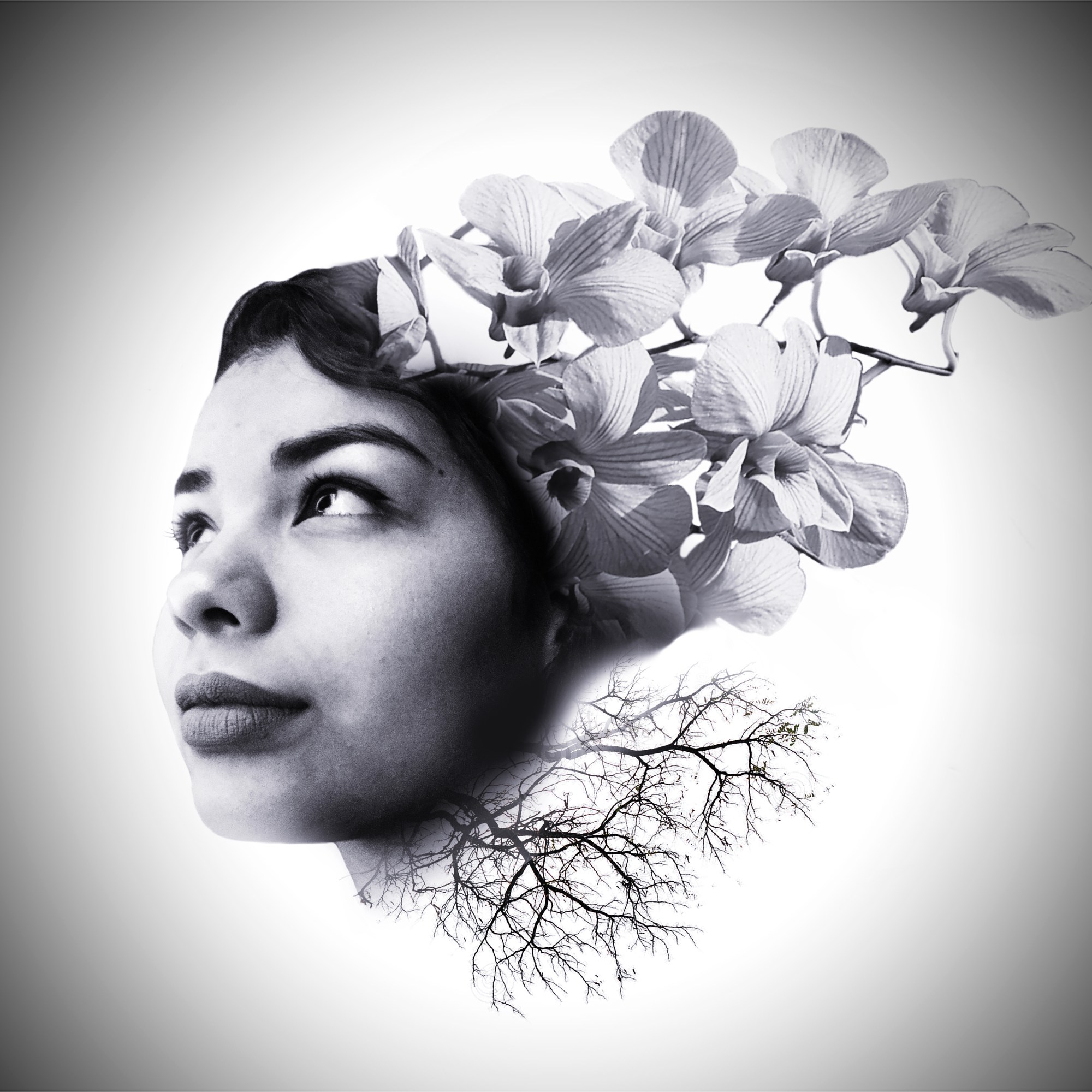

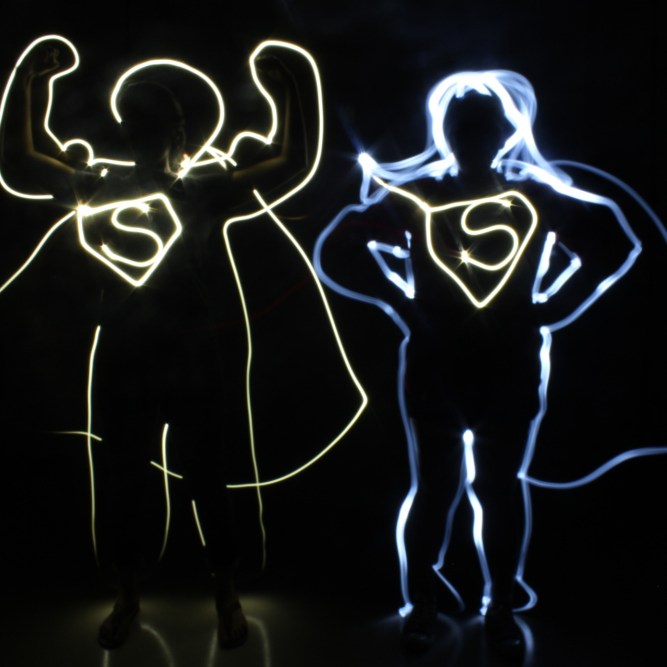
Melissa Chang AP Photography Portfolio
A.P. PhotograpHy will challenge you to create, critique and “Make” not take photographs
Course Description
The AP Studio Art Portfolio course is a year-long course that is equivalent to a first year college art course and is designed for students who are seriously interested and invested in the practical experience of art and wish to develop mastery in the concept, composition and execution of 2D design. During class the student will learn a variety of concepts and approaches to 2D-Design, enabling them to demonstrate knowledge and versatility in technique, problem-solving and ideation as well as pursue an in-depth exploration of a specific idea to create a cohesive concentration. The AP Studio Art experience is centered on the sustained investigation and resulting creation of a portfolio that is successful in all three aspects of development: quality, concentration and breadth – as outlined by the College Board. In the creation of this portfolio, students will develop a body of work investigating various concepts, techniques and approaches, as well as a concentrated investigation into an underlying visual idea found to be of personal relevance to the individual as an artist.
assignment #1
FACES & PLACES
Using just 4 images we will create a narrative-driven formula for visual variety, as opposed to the compositional.
- A place
- A face
- A place with faces
- Faces in places
A place- The first photo establishes the place, much like a traditional overall or long shot would. What does this place look like? What’s its color? Its texture? Its geography? Its architecture?
A face- The second photo moves in really right, just down to a face that represents who lives, works or exists here. What do they look like? How does the place show in their face?
A place with faces- Next you move back out, going back to the place but filling it with faces now. How do the faces use the space? How full or empty is it? How do the faces move through the space?Faces in places- Lastly, the focus comes back to the face and how the individuals interact with the place, tying it all together.
Examples:
Photographer, Brenna Beech, took a look at a monastery in Conyers, Georgia. Her opening image shows the exterior of the main building. Next, she moves to one of the brothers working inside the place. From there, to the inside of the main chapel, bathed in light and the monks in prayer. From there, it’s back outside to the men proceeding out of the chapel, deep in thought.

Photographer, Lyric Lewin, looked at an apartment complex with a growing Muslim community. Her opening image gave us the wide open place, looking like any other complex. Moving in much closer gave us the joyous face of one of the kids in the neighborhood. Next comes a shot through a partially opened doorway, tying the residents of unit two to the physical place. Lastly comes the evening meal, with the family gathered at the table and light pouring in from a high window.

Images should be uploaded to your website with a brief description of the subject matter. 1-2 paragraphs is fine, your photographs will be speaking a 1,000 words for you. Thank you for sharing your skills on this assignment, good luck. -Mr. Solomon
assignment #2
Participant or Observer
Please take two photographs where you are the participant and matching the vibes and energy of your subject by making them laugh. Photograph the subject laughing. Tell them a joke, join with them laughing and capture the joy of a good chuckle.

Observer
Please take a moment to observe and try to take a candid shot of a subject of your choosing. Be a fly on the wall, try to not make it obvious you are photographing the subject and catch them in there natural state of being.
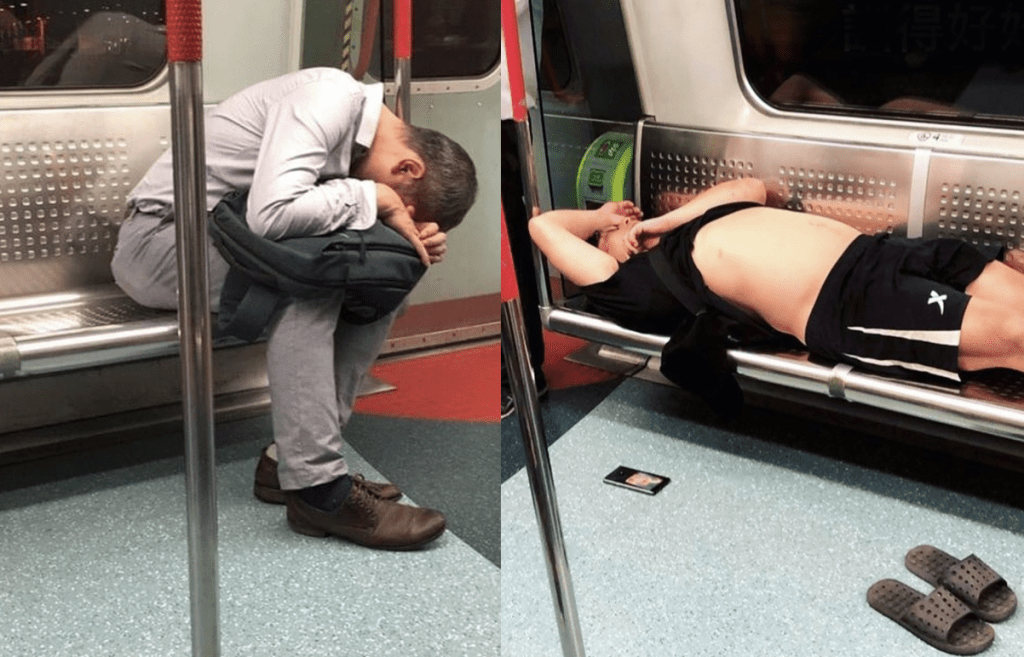

Assignment #3
Gratitude Challenge
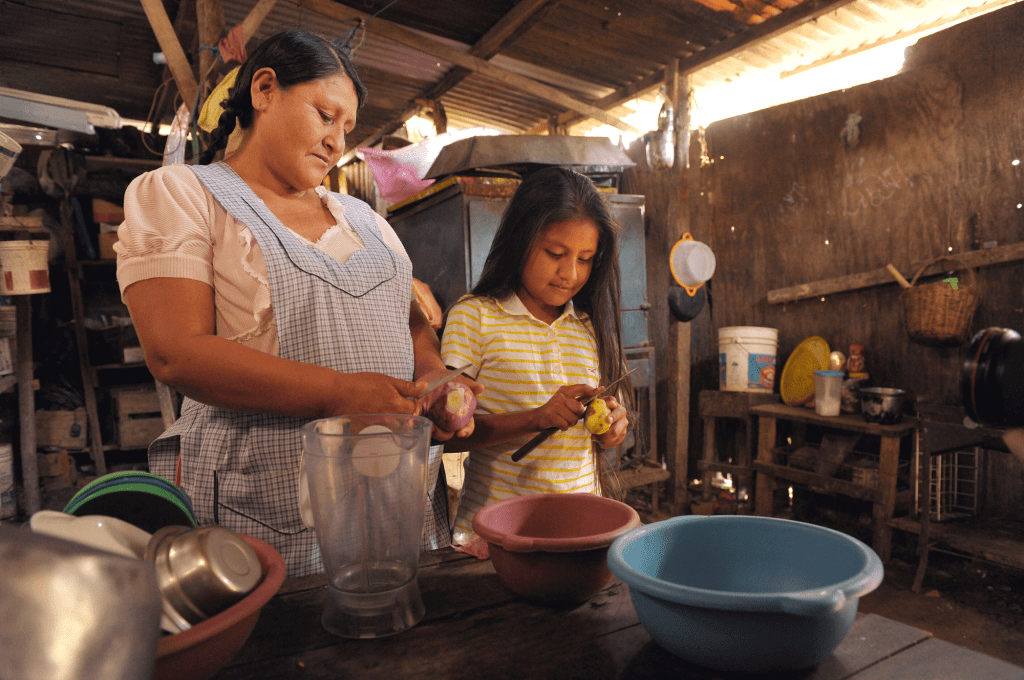
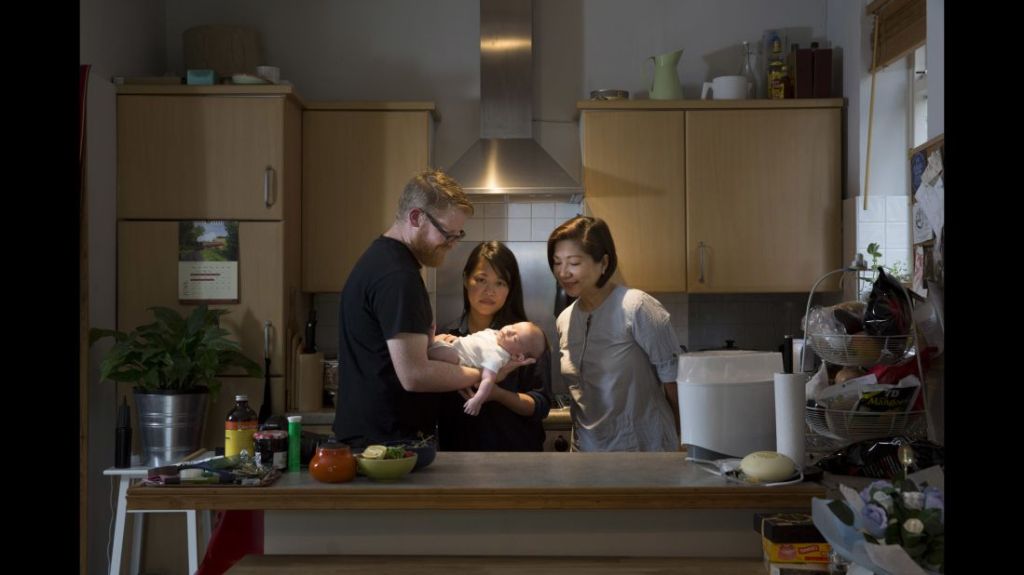
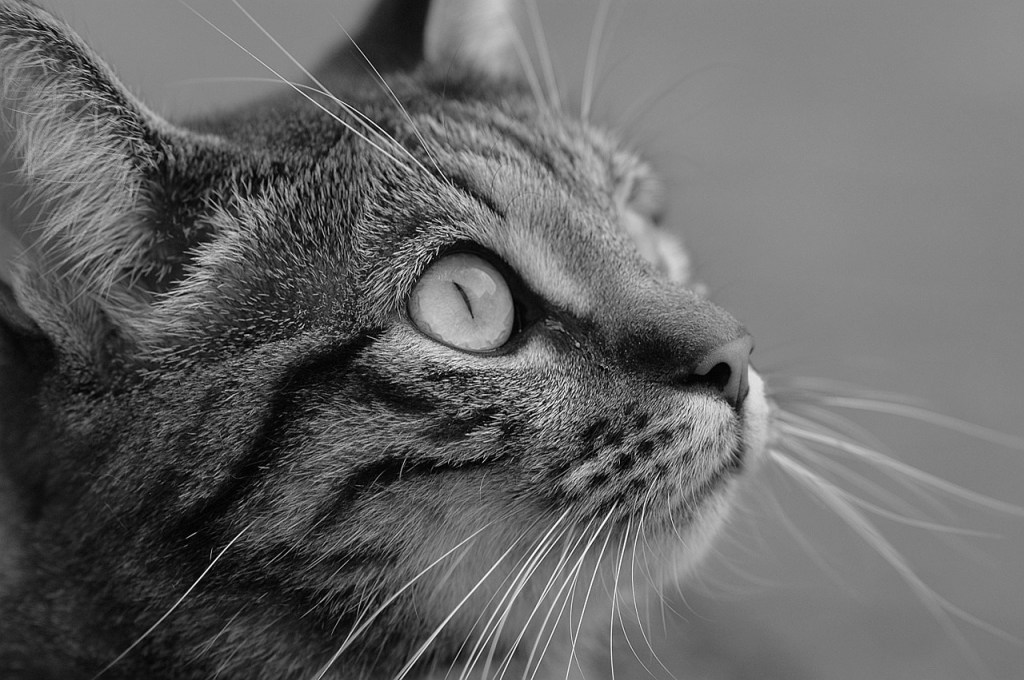
Your goal is to think about your life and ponder what makes you happy and smile. Once you have identified these things, please photograph them. This means the subject matter is, well, subjective. You can photograph whatever you want. I hope this promotes positivity and you can artistically show appreciation for good things in your life. No matter how many or few.
Photograph 4 images of GRATITUDE

&
Embrace
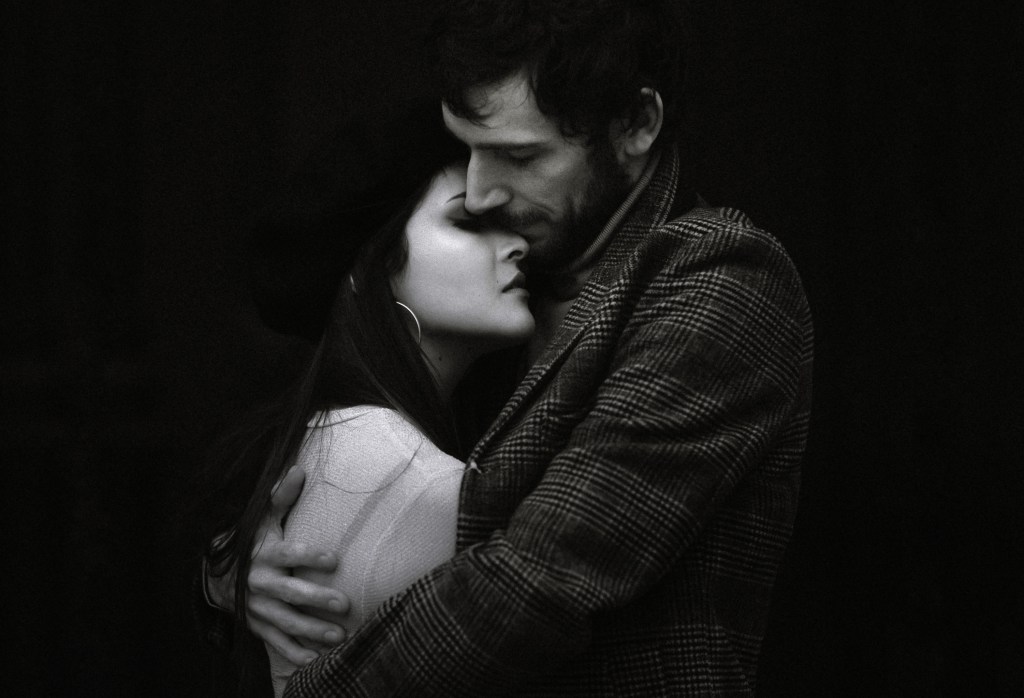
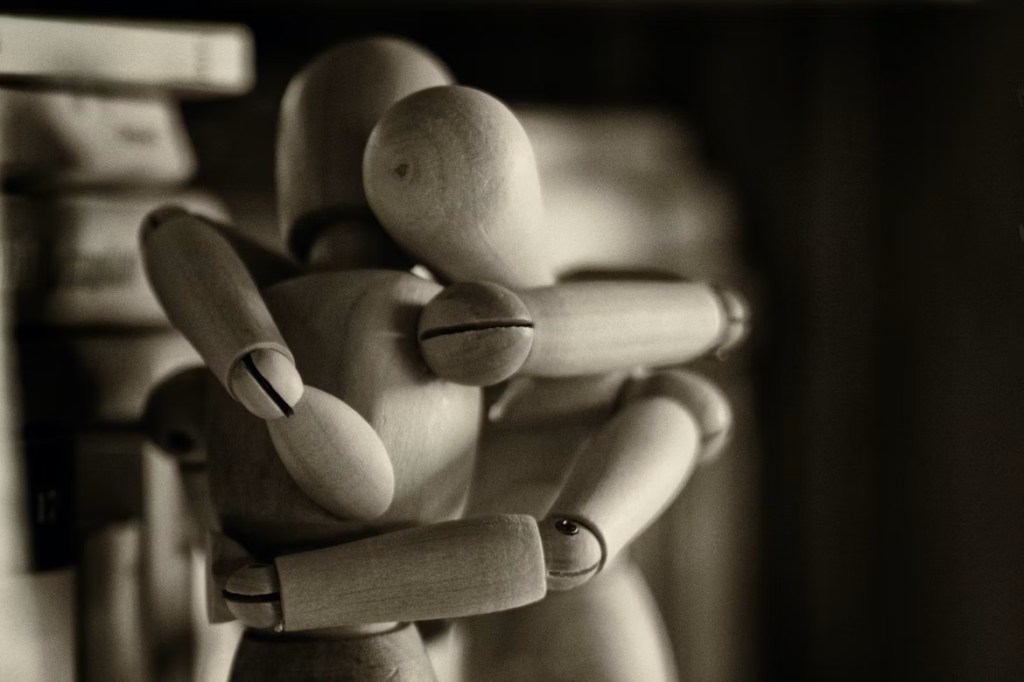
Please photograph people embracing each other. A good hug and squeeze. Can be posed or spontaneous candid image. Two images of an embrace, different people please.
Photograph 2 Images of an embrace


Assignment # 4
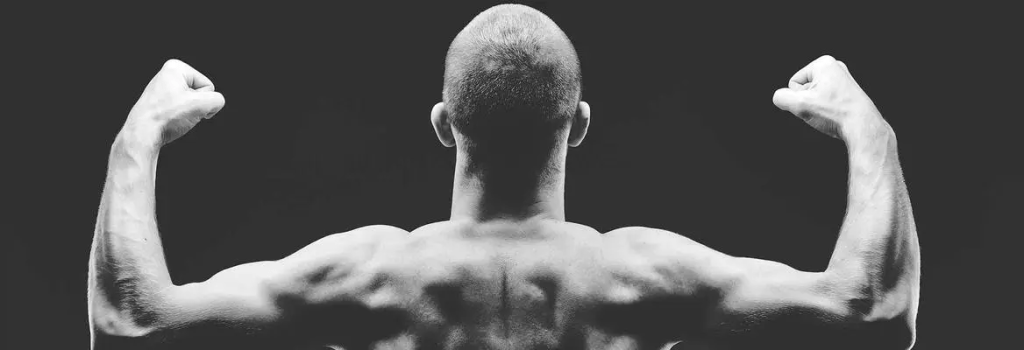
FEMININITY and MASCULINITY
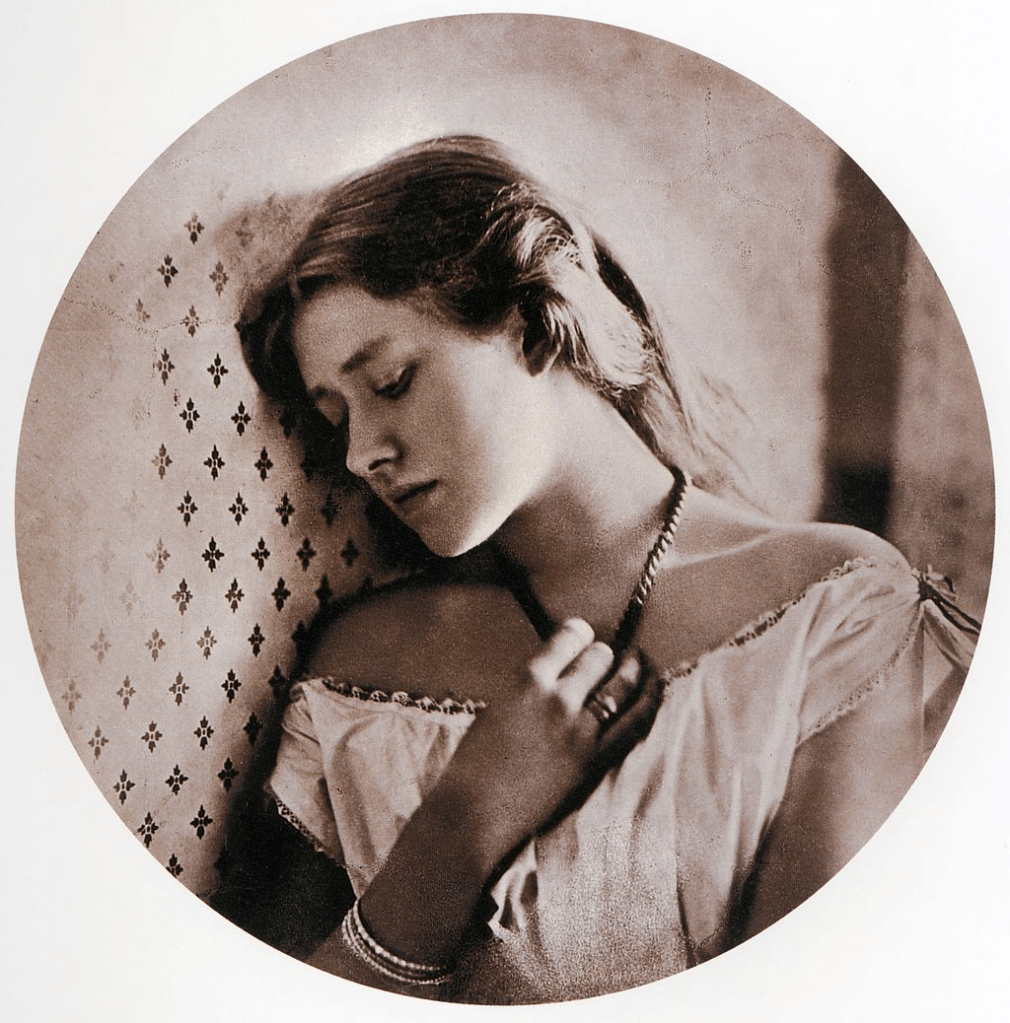
As society and cultures change the terms and symbolism of femininity and masculinity do as well. Photography in the Victorian era of American history provided woman an opportunity to express themselves and their feminine roles as they did not have the rights to vote or work, etc… Throughout time of war and peace masculinity would evolve and change, both in the U.S. and Europe. Your task is to think about the symbolism and imagery that can represent Femininity and Masculinity. This is art, it’s subjective to YOUR interpretations. Do some quick research, follow your instincts. Qualities that are male qualities that are female are subjective to your viewpoints. Good luck.
Please take 2 photographs that represent FEMININITY and 2 photographs that represent MASCULINITY
Assignment # 5
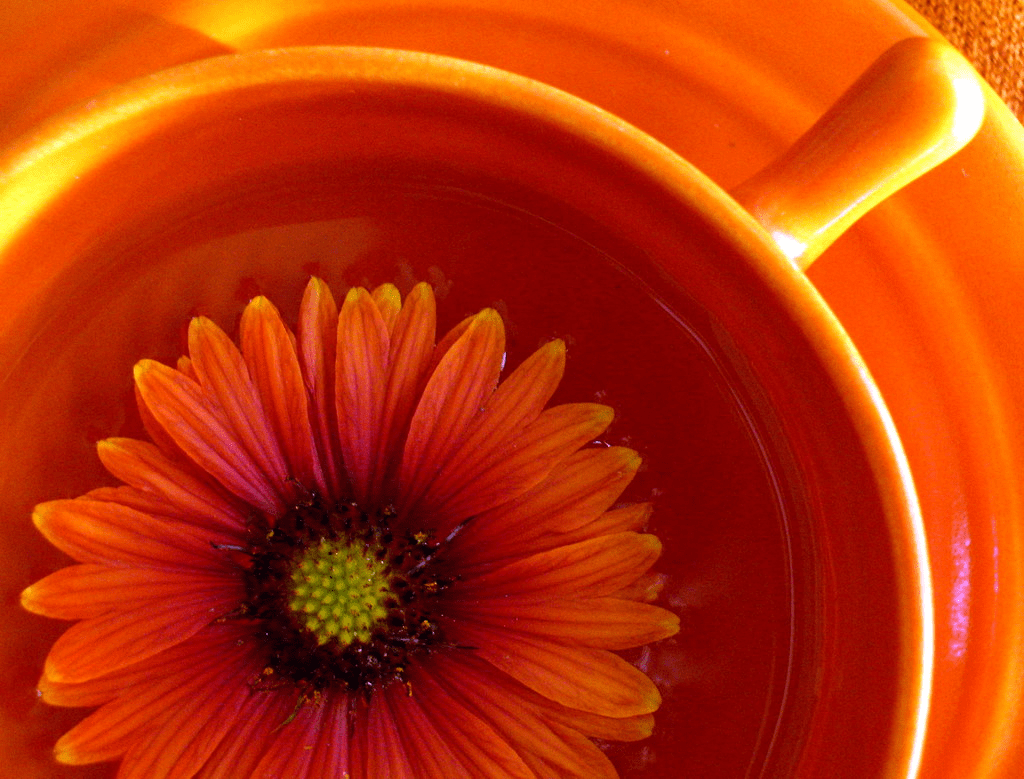
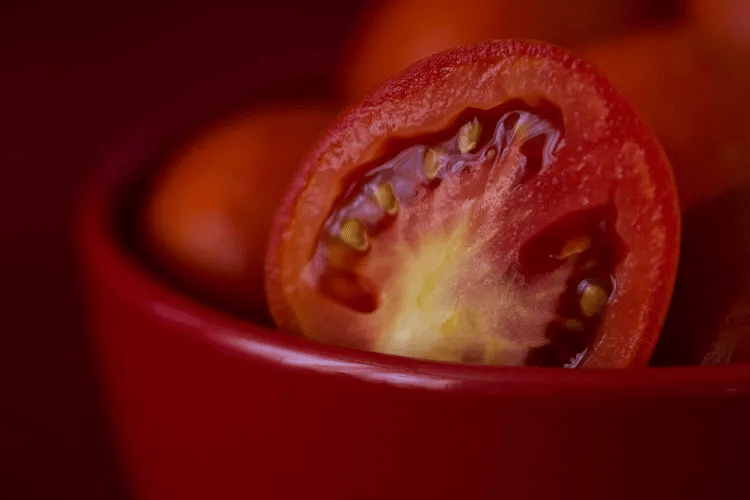
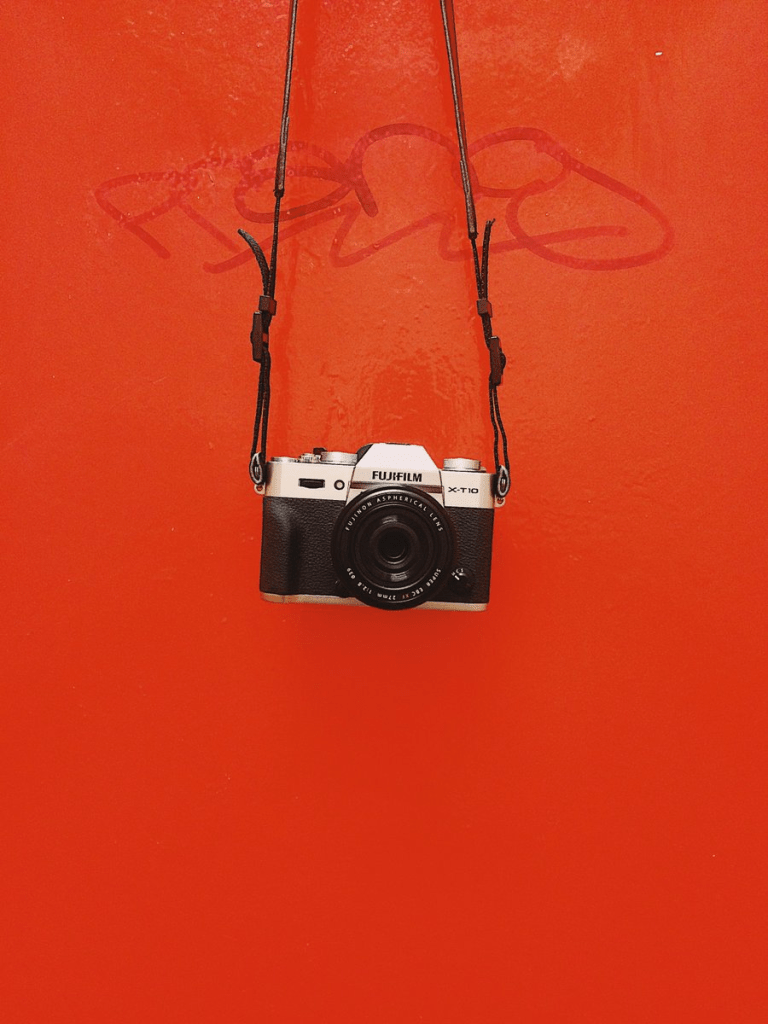
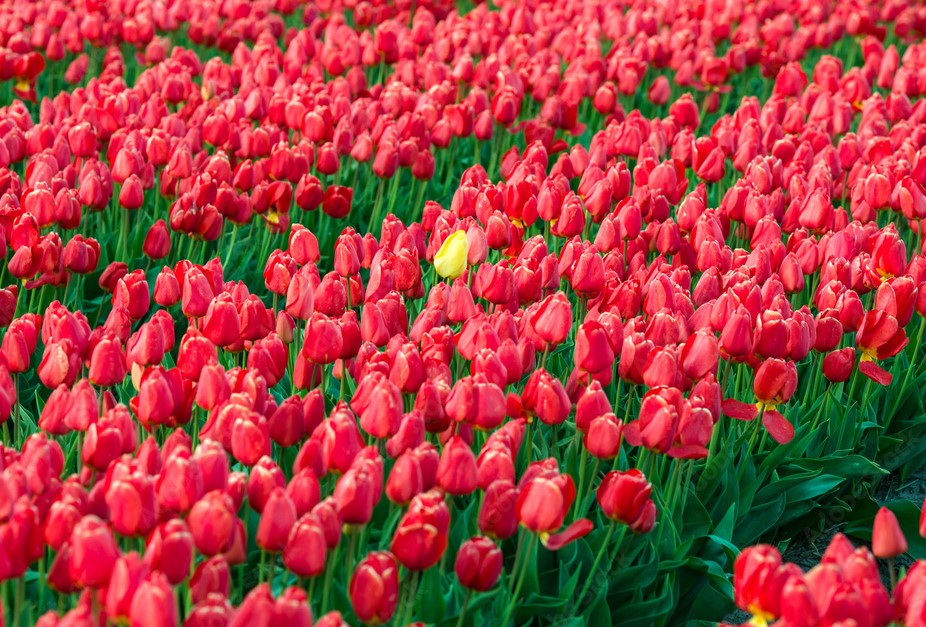
Dominant Color
The theme this week is ONE COLOR and I want you to challenge yourself to leave your comfort zone and try something new when taking a photograph. Let’s strengthen our use of “color” and create a dominant color in our photographs. By one color I don’t mean that every single element and item should be the same color…although that is acceptable. There should be a clear and present dominant color in your photograph and that color should grab and capture the viewer’s attention immediately. The viewers should notice the dominant color as the main subject is that color and the tones and shades are similar. The photographs can be portraits, still life, nature… it is open subject matter.
4 Photographs with a dominant color
Assignment #6 portrait exercise
In this lesson you will challenge yourself to create 10 creative and thoughtful portraits
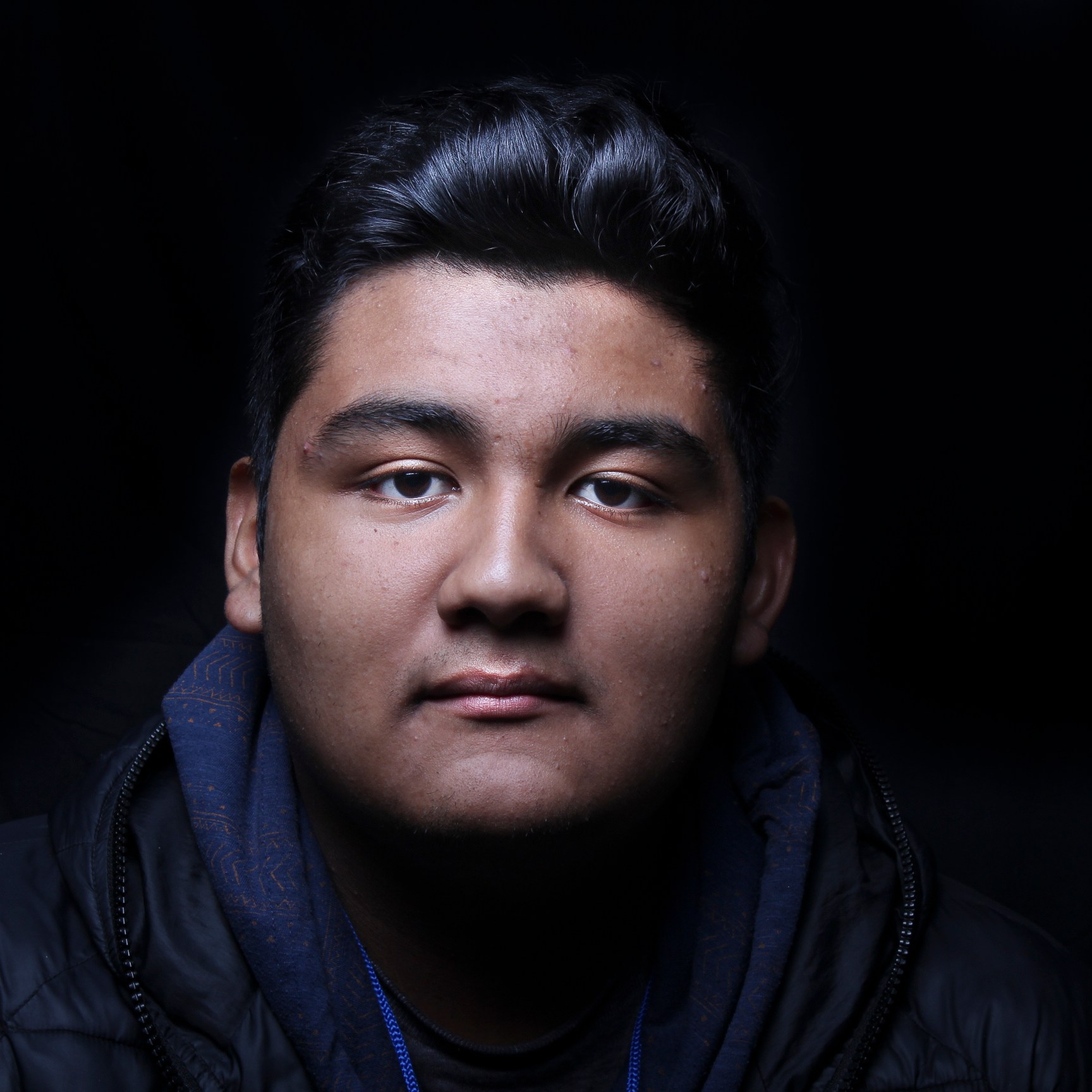
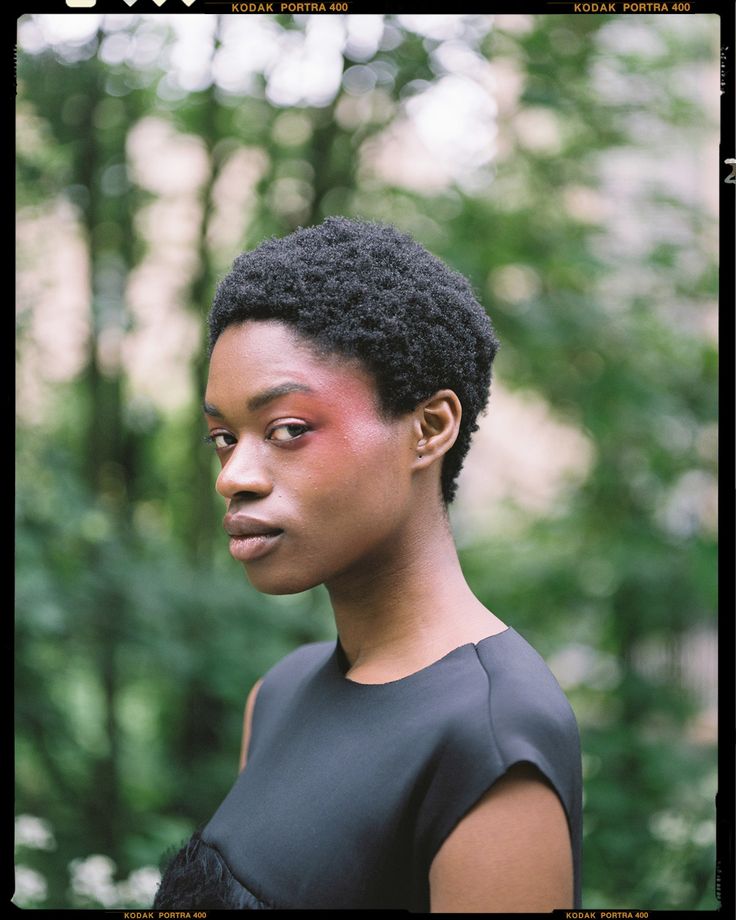
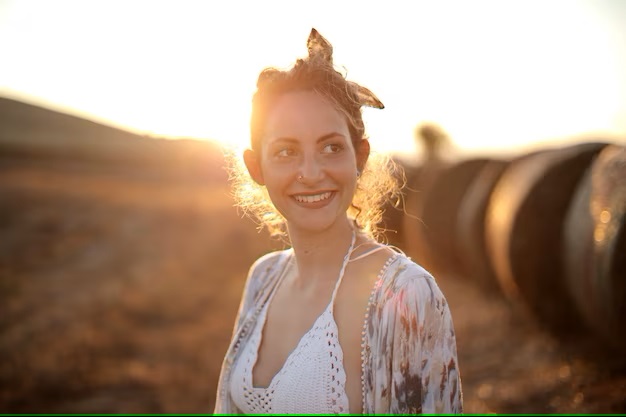
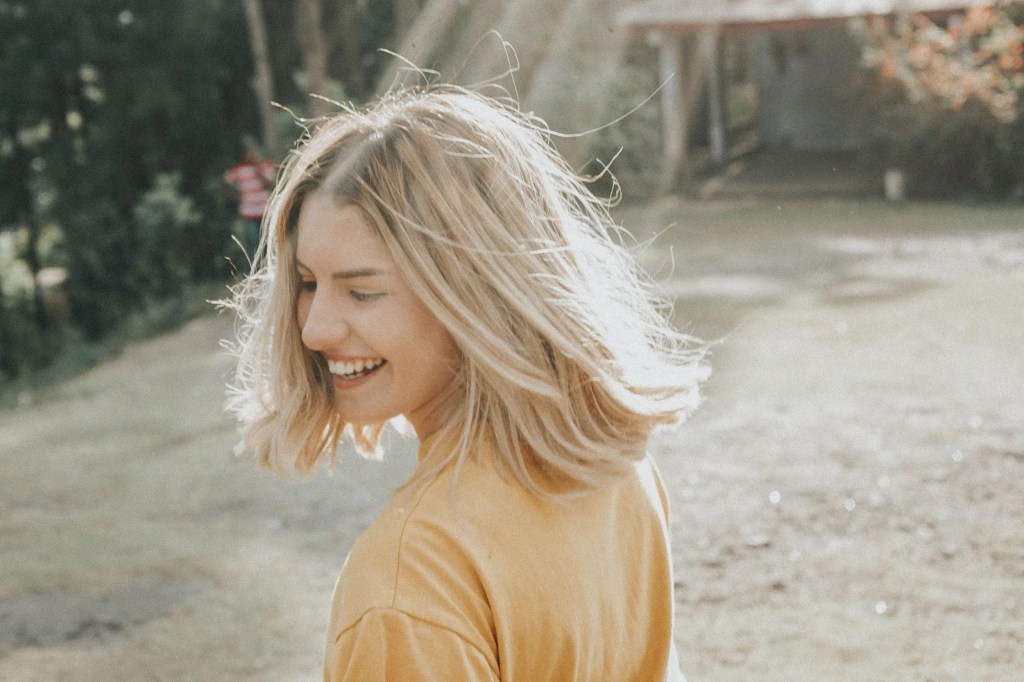
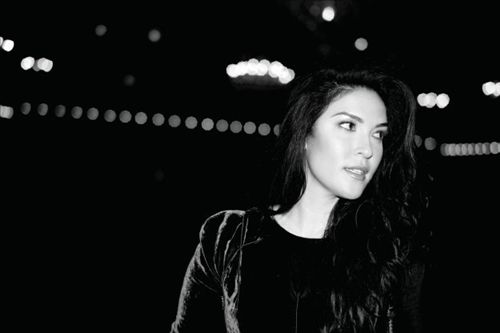
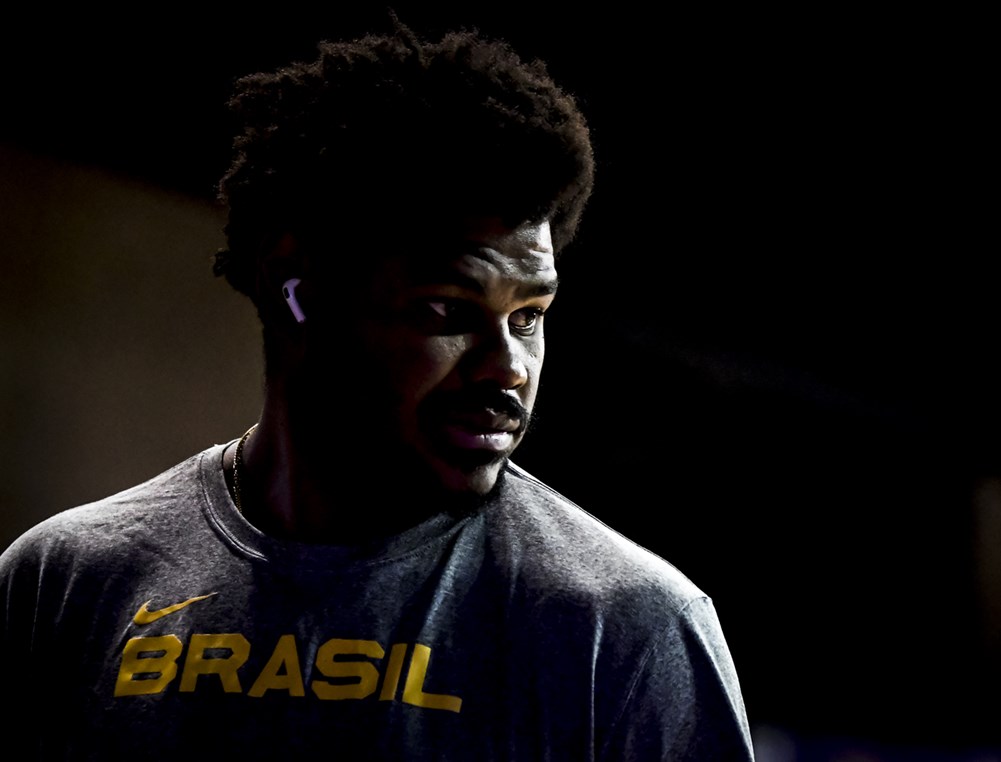
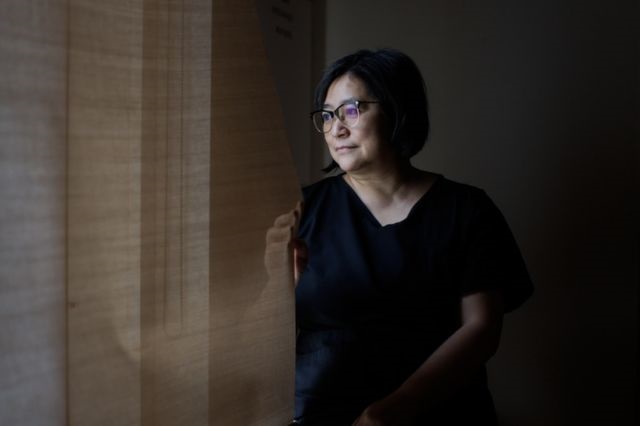
LIGHT SOURCE STUDY: Portraits with a BRIGHT Background and a DARK background
Please challenge yourself by creating 2 portraits using a bright/white background and then create 2 portraits using a dark/black background. That is 4 portraits total.
&

GOAL: 5 PORTRAITS using the photographic techniques listed below
The portrait ENVIRONMENT is a fascinating concept that we will explore in this artistic endeavor. In this lesson, we will delve into the realm of capturing the essence of a subject by considering the environment in which they exist. By intertwining the subject with their surroundings, we can create an extraordinary and captivating portrait that goes beyond a mere depiction.
Throughout this creative journey, you will have the opportunity to craft not just one, but SIX mesmerizing portraits. These portraits will not only showcase the unique attributes and characteristics of the subjects but also highlight the significant role that the environment plays in shaping their identity.
As an artist, it is important to embrace the idea that our subjects are not isolated entities but are deeply connected with the world they inhabit. By embracing this philosophy, you will be able to harness the power of the environment to elevate your portraits to a whole new level of artistry. Whether it’s a serene natural landscape, a vibrant urban scene, or a carefully curated setting, each environment has the potential to add depth, meaning, and context to your artwork.
You will learn to observe and analyze the environment around your subjects, discovering ways to incorporate it harmoniously into your compositions. By strategically utilizing elements such as lighting, textures, colors, and patterns found in the surroundings, you will be able to create portraits that truly resonate with the viewer.
IDEAS TO USE WITH YOUR PORTRAITS
- JUXTAPOSITION: Juxtaposition is an important technique in photography that involves placing two contrasting elements side by side in order to create a visually striking and thought-provoking composition. By deliberately contrasting elements such as light and dark, big and small, old and new, or soft and hard, photographers are able to create images that capture the viewer’s attention and evoke a strong emotional response.
- The use of juxtaposition in photography allows artists to highlight the differences and similarities between the chosen subjects, encouraging viewers to think deeper about the relationships and connections that exist within the frame. It can be a powerful tool for telling stories, conveying messages, and inviting viewers to engage with the image on a more profound level.
- For example, a photographer may juxtapose a crumbling, abandoned building with a sleek, modern skyscraper to convey a sense of the passage of time or the contrast between decay and progress. Alternatively, juxtaposing a child’s innocent gaze with a backdrop of war or conflict can create a strong commentary on the impact of violence on innocence.
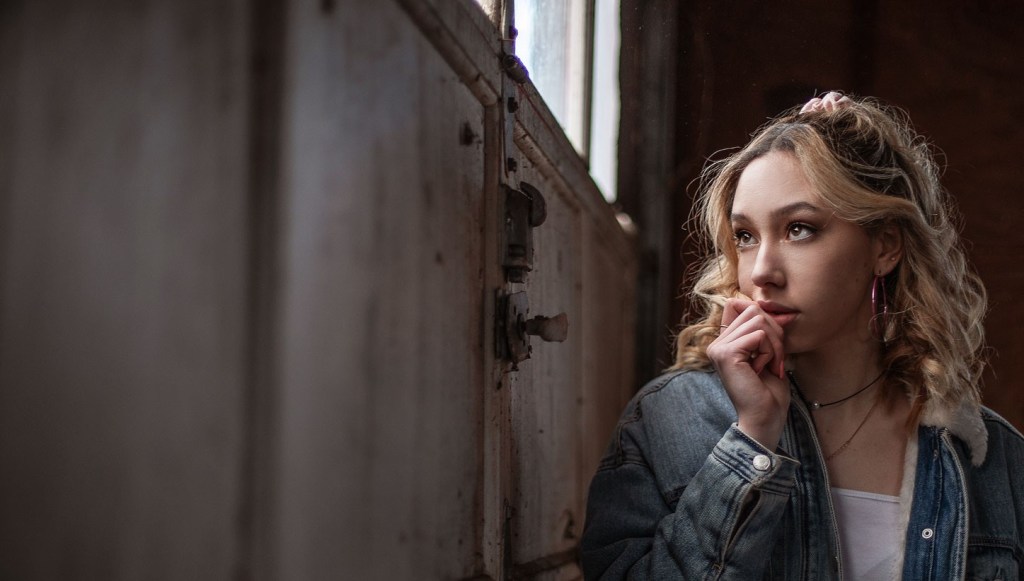
- FOREGROUND FRAMING: A powerful technique in photography that can instantly elevate the impact of an image. It involves using elements in the foreground to frame the main subject, adding depth, context, and visual interest to the composition. By strategically placing objects such as archways, windows, branches, or even people in the foreground, photographers create a sense of depth and lead the viewer’s eye toward the focal point. This technique not only adds a captivating visual element but also helps to capture the viewer’s attention and create a stronger connection to the subject.

- VANISHING POINT: Vanishing points and leading lines in photography
- The concept of vanishing points and leading lines plays a crucial role in photography composition. By understanding and effectively using these techniques, photographers can create visually striking and dynamic images that draw the viewer’s attention and guide their gaze throughout the frame.
- In photography, a vanishing point refers to the point in an image where parallel lines appear to converge or meet. It is a result of perspective and the way our eyes perceive depth and distance. By placing the vanishing point strategically within the frame, photographers can create a sense of depth and three-dimensionality in their photos.
- Leading lines, on the other hand, are lines that guide the viewer’s eyes towards a specific point of interest in the image. These lines can be straight, curved, diagonal, or even implied, such as a row of trees or a shoreline. Leading lines add visual interest, create a sense of movement, and help to highlight the subject or focal point of the photograph.

- And last but not least, LIGHT!!!
- No matter what environment you photograph within always look for the most interesting light. Whether it be sunlight through a window or skylight. A glowing lamp or neon light. Observe and position your subject to get the most dynamic light possible in the environment you’ve chosen.
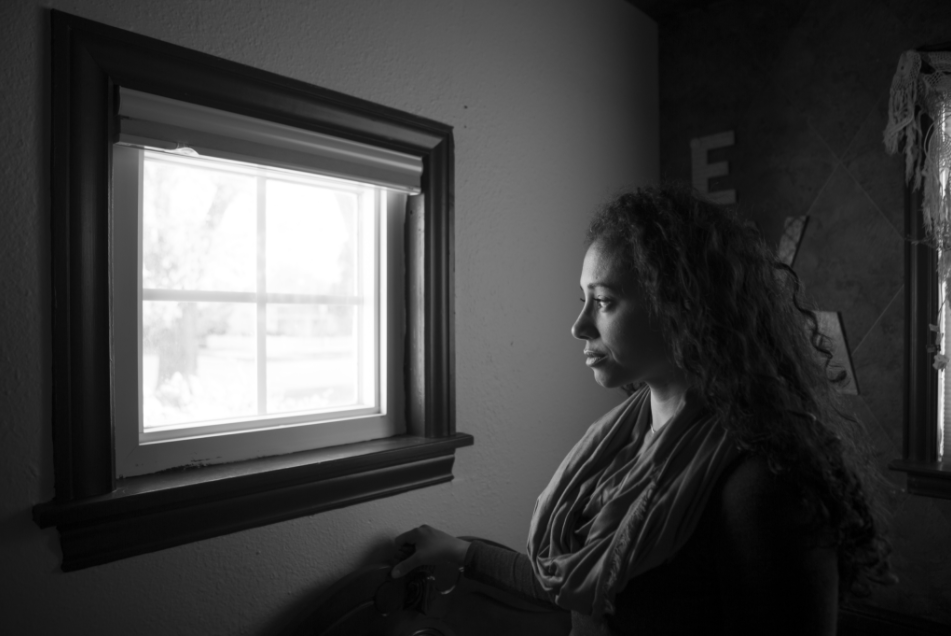
fall break assignment
YOUR Fall Break Assignment is to complete a short sustained investigation,
a mini portfolio. Consisting of 5 photographs with a 600 character (max) written
evidence describing your concept, theme, subject matter. Please upload the images
and written evidence to your website by October 6th.
·
A sustained investigation is a focused and
in-depth exploration of a specific theme or concept in an artist’s work. It
involved the DEVELOPMENT and REFINEMENT of an idea(s) over time. The result
should be a cohesive body of artwork, a portfolio.
·
THEME: In art, theme refers to the underlying
message or central idea that an artist (THAT’S YOU) explores throughout their
work. It can be expressed through various visual elements such as SUBJECT
MATTER, COLOR CHOICES, or COMPOSITION… etc.
The Sustained Investigation (SI) consists
of 5 digital images demonstrating sustained investigation through
practice, experimentation and revision, along with sustained investigation and
synthesis of materials, processes, and ideas, and your photographic skills.
- In writing you must include the guiding question or inquiry for your
sustained investigation and describe how your SI shows practice,
experimentation, and revision that was guided by your chosen question. For
this shortened version I’m not expecting revision but any time you change
directions or make decisions based on your concept because your
photographs altered your theme… talk about that.
AP Art is most interested in your artistic development,
experimentation, and willingness to take creative risks. The topic is less
crucial than demonstrating your abilities, originality, and ability to
graphically communicate thoughts, whether personal or not. It is about
displaying your artistic development and passion for art.
General tips:
One thing I wished I did correctly in my portfolio 💼
was to make some of the works more connected to one another other than
merely being relevant to the overall topic of my portfolio (which was
mainly interior design in my case). The works in my portfolio had a
limited connection to one another as each work centered on a unique
concept (the more successful SI portfolios had at least one piece explore
more on a previous concept). ⁵ Having at least one other follow-up piece
(to a previous work) would be beneficial, especially at times when there
is a possibility of having an artist’s block. While I did have some
follow-up pieces in my portfolio, I honestly wished I did more on these
types of works. This was my reasoning for why I received a score of 3.
When drafting the “Written Evidence” description for your portfolio 💼,
ensure that it meets their rubric requirements for submission and that it
starts with an insightful, and creative question that is relevant to the
topic of your portfolio. Having the rhetorical question in the portfolio
description (and explaining your personal connection to it which guides
the portfolio) is very crucial for its success. ⁴ ⁵ Have someone proofread
it as well for grammar and/or general feedback.
Helpful LINKS
https://apcentral.collegeboard.org/courses/ap-2-d-art-and-design/portfolio/past-exam-questions
What NOT to do
Below LINK: Student describing her portfolio and achieving a score of 5.. FYI it’s drawing and painting 2-D Art but the Sustained Investigation descriptions and connections are the same
. https://www.youtube.com/watch?v=o4D-QRcj7VI
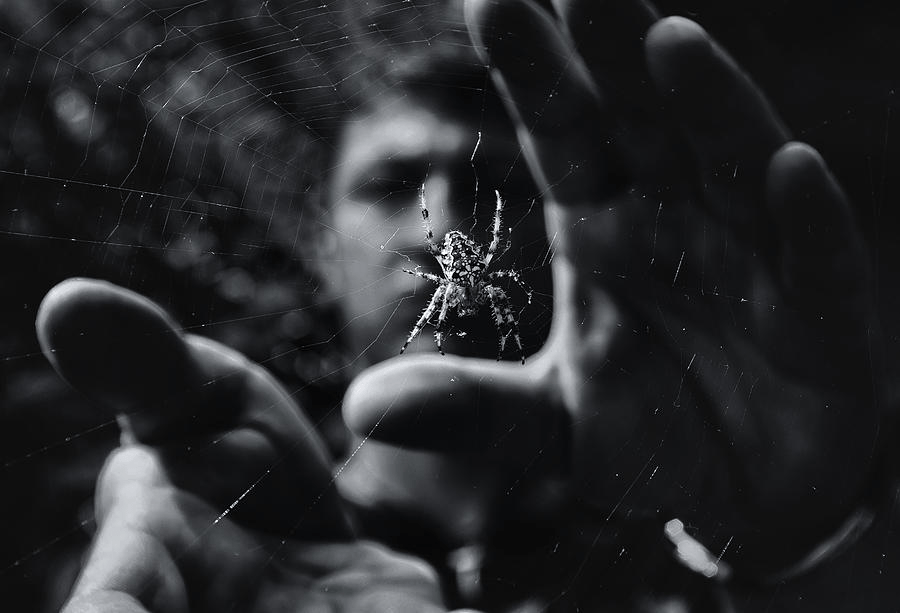
Assignment #7 MUSIC INSPIRED Series

The one thing we as photographers and videographers do is tell stories or at least have the ability to do so. That’s the main reason we engage in this creative field. Whether it’s a story of vibrant fantasy that transports viewers to another world or a shot meticulously documenting a moment in the real world, each visual narrative is crafted to make the viewer tell themselves the story they see in the picture.
In this assignment, I’m asking you to create a compelling series of 6 PHOTOGRAPHS inspired by a song of your choice—a task that invites you to delve deep into your artistic imagination. Take the time to imagine and reflect on your feelings while listening to the selected song; sketch or write down the vivid imagery that comes to mind. Consider not just the lyrics but also the ambience created by the sounds—the rhythm, the harmony, and even the silence that interplays with the music—as a starting point for your inspiration.
Do your best to express your creativity fully; for example, if the first part of the song evokes a sense of melancholic sadness and all that goes with heartbreak, aim to represent those emotions in your photo. Conversely, if the latter part of the song shifts to themes of strength and the feeling of being empowered and free, be sure to adjust your visuals accordingly. You might explore various techniques, such as lighting and composition, to emphasize these contrasting emotions. For instance, consider trying two wardrobe looks that embody these two different emotional states, allowing your attire to enhance the storytelling aspect of your photographs. Let each image be a testament to the journey that the song takes you on, capturing the essence of the music in a way that resonates with those who view your work.
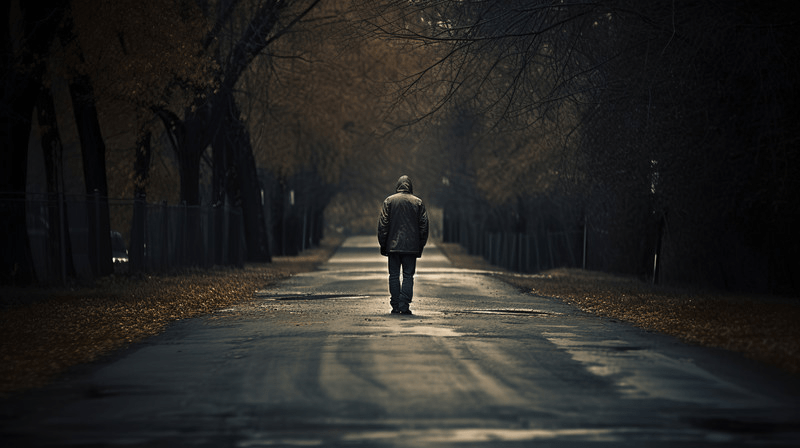
REVIEW Sustained investigation portfolios and rubric
Sustained Investigation Scores of 3 and 4
Sustained Investigation Scores of 1
 San Ysidro Photography